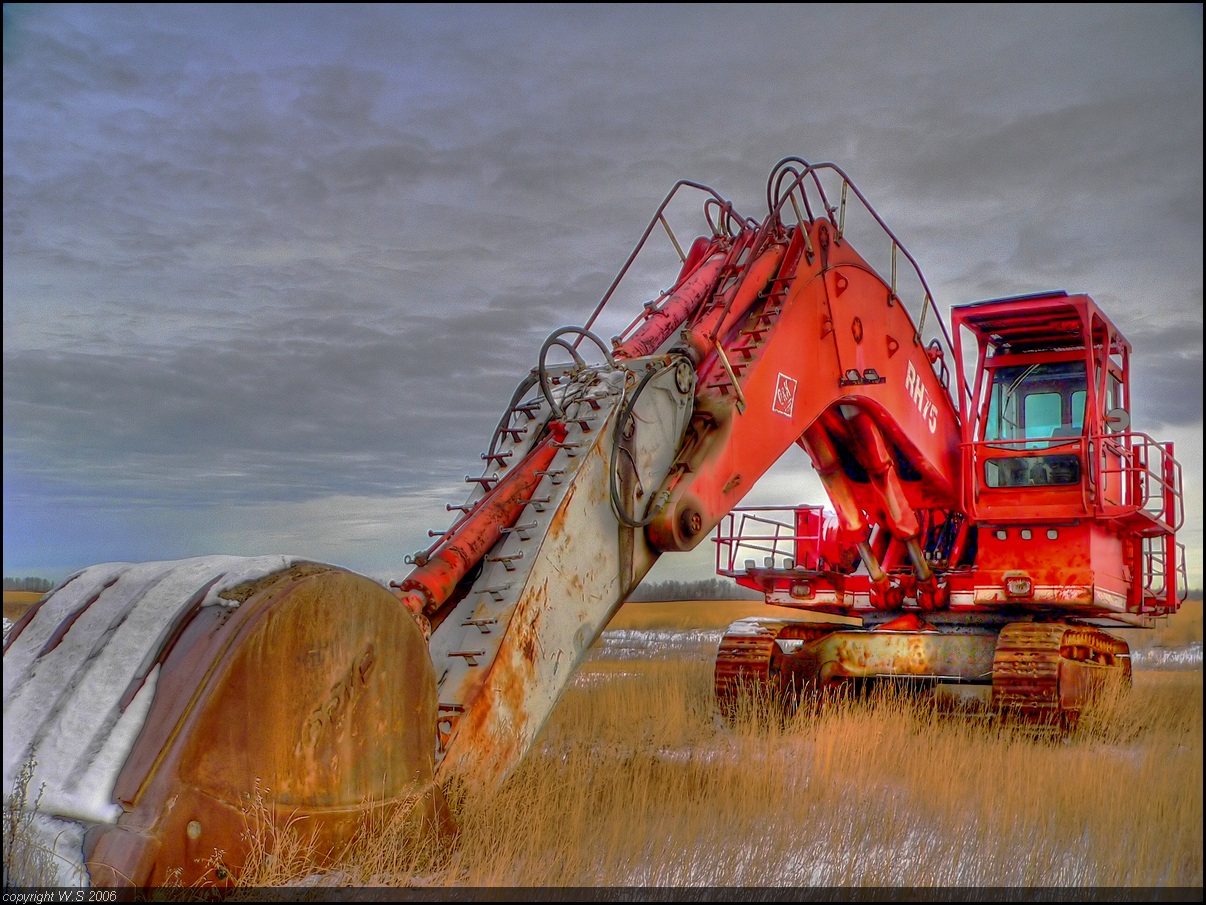
If your company is looking to expand, upgrade or just keep operations running smoothly, having the right
equipment financing solution can affect your overall financial position. Financing is available for all sizes of equipment acquisitions, from
technology upgrades to heavy equipment such as
mining equipment or
yellow iron. When seeking out an
equipment financing source, it’s important for businesses to be prepared.
What are the first things to consider when financing equipment?
Look at your company’s capital position to determine what the right financing option is. Future cash flow should also be a consideration, as financing may affect the cash flow of the company both in terms of the productivity the equipment may provide and the required payments. It is also a good idea to consult with your company’s accountant to help determine the best option available for the business.
Before acquiring equipment, evaluate the value that the equipment is likely to bring your business. Business leaders then need to decide what financing product makes the most sense for the company, whether it is to lease the equipment, obtain a loan or use cash to purchase. Each option has its benefits.
A lease, for example, typically has little to no out-of-pocket expense up front, whereas a loan may require a down payment or equity injection into the equipment. Business leaders should also consider what impact a lease or loan will have on the company’s balance sheet. Some leases are off-balance-sheet financing, so the lease payment shows as an expense on the income statement rather than a liability on the balance sheet. If leased, the asset is not carried on the balance sheet either. This can be helpful for a company that has to comply with leverage or debt covenants because these ratios remain unaffected with a lease.
Leases can also provide a company with more flexibility regarding the equipment. Some lease structures can include options to return the equipment at the end of the lease, upgrade the equipment, purchase the equipment, or renegotiate the lease. This can allow a company to keep up to date with changes in technology and may provide a competitive advantage in the market.
Can multiple pieces of equipment be financed?
Many business owners want the convenience of a single transaction covering multiple items instead of having separate transactions for various pieces of equipment. Equipment can be combined into a single transaction based on the equipment types, reasonable usefulness, or life. For example, if two pieces of equipment are being acquired, one with a useful period of 10 years and the other a useful period of five years, financing may be structured for seven years to combine the equipment and provide the convenience of one note to the borrower.
When should companies apply for equipment financing?
You should begin to
explore financing options as soon as you think that you may need to acquire any new or used equipment. For a company that is expecting to grow and is forecasting an equipment need at a later point and time, equipment lines of credit may be a smart option to have in place in order to provide flexibility to purchase the equipment more efficiently on your own schedule.
Are there special interest rates or payment plans available for equipment financing?
In some cases, a company may obtain financing with no payment due for a period of time, designed to allow the company to get the new equipment up and running and producing revenue before a payment is due. Other seasonal businesses may opt for structured, or skip, payments, which allow the company to match payments to the seasonality of its business and can
improve cash flow.
Do certain types of equipment financing offer tax advantages?
When a company purchases equipment, it may be able to take depreciation deductions over a period of time, which lowers its taxable income. Many companies over the last several years have also been able to take advantage of government stimulus programs that allow for accelerated depreciation of equipment or an increase in the
Section 179 expense allowance. The interest payments of an equipment loan, and the entire lease payment for some lease structures, are also expensed on the income statement, which can lower taxable income. Before making a purchase, talk to your accountant or tax adviser to learn how
specific tax incentives can work for your business.